Solar United Neighbors' 2026 Model VPP Legislation and Tariff Give States a Starting Point


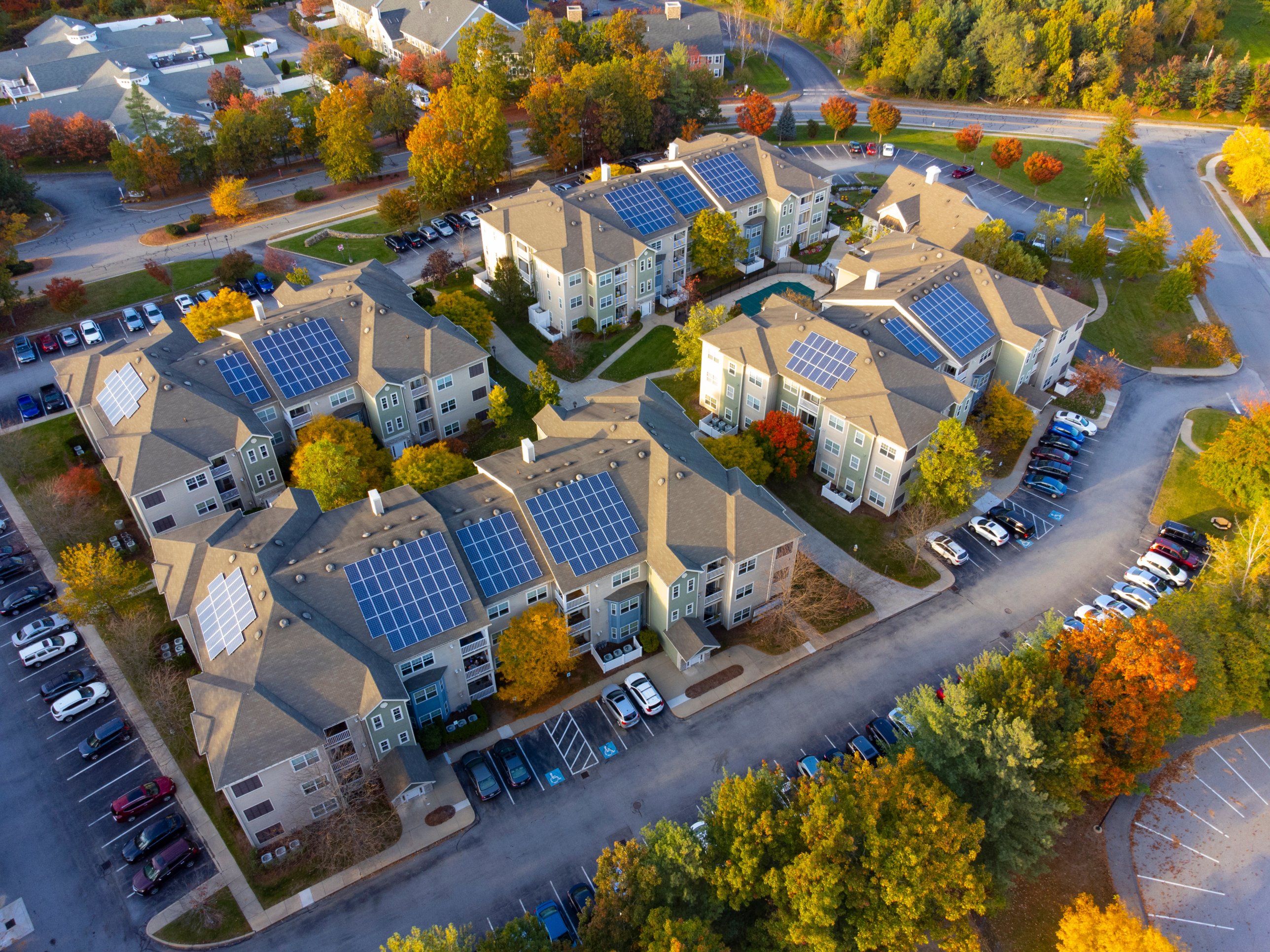
Many states still have no virtual power plant program, and getting one connected to the grid can be a complicated process. Common Charge member Solar United Neighbors (SUN) has updated its model VPP legislation and model VPP tariff for 2026, giving states a tested, standardized starting point for programs that can scale.
What the model policy does
SUN's model legislation and tariff are designed so that VPP programs:
- Offer upfront incentives for enrollment.
- Pay participants fair compensation for the grid services they provide.
- Put consumer protection first.
- Include many different technologies and devices, from home batteries to smart thermostats.
SUN is using the model policy to work with advocates across the country on standardized VPP programs, and to make sure customers have a voice in how those programs are designed alongside utilities.
Why it matters
Virtual power plants link home and community solar, batteries and smart devices so they can be operated together as one grid resource. In California, batteries enrolled in the state's virtual power plant have delivered about 500 MW, roughly the capacity of a gas plant. Independent experts estimate that 60 GW of virtual power plants nationwide could meet future grid needs for $15 to 35 billion less than the alternatives over ten years.
The Local Power Blueprint calls on states to build the programs and rules that authorize these networks and pay people fairly for the services they provide. SUN's model legislation and tariff give legislators and regulators language they can start from.
About the model policy
Title: 2026 SUN VPP Model Legislation and SUN Model VPP Tariff v2.0
Publisher: Solar United Neighbors
Published: October 2026
Model legislation | Model tariff
Questions about the model policy can go to advocacy@solarunitedneighbors.org.
Common Charge shares this model policy as a resource. The analysis and opinions are those of Solar United Neighbors.