Local Power Could Save the United States $614 Billion, New Study Shows
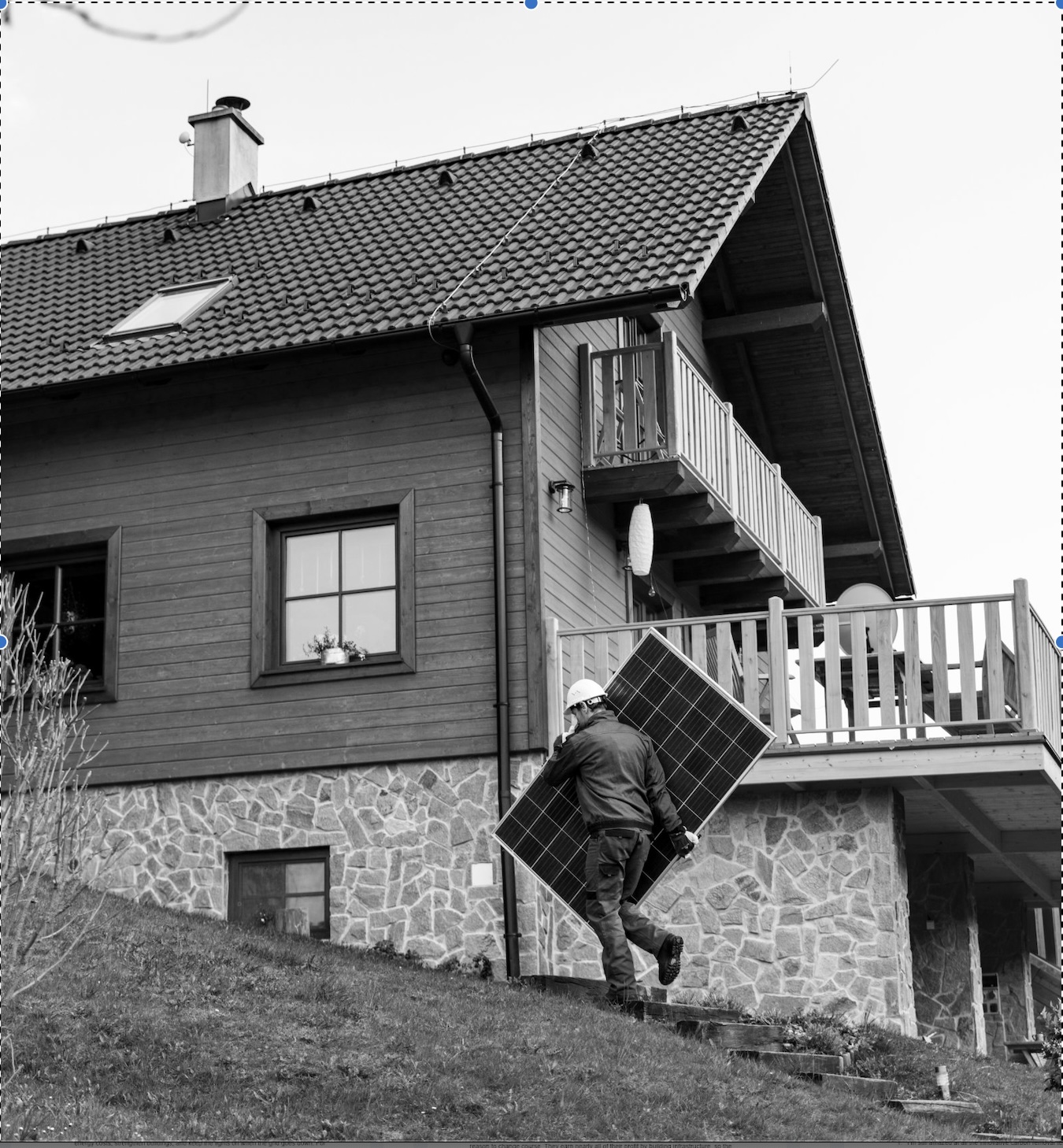
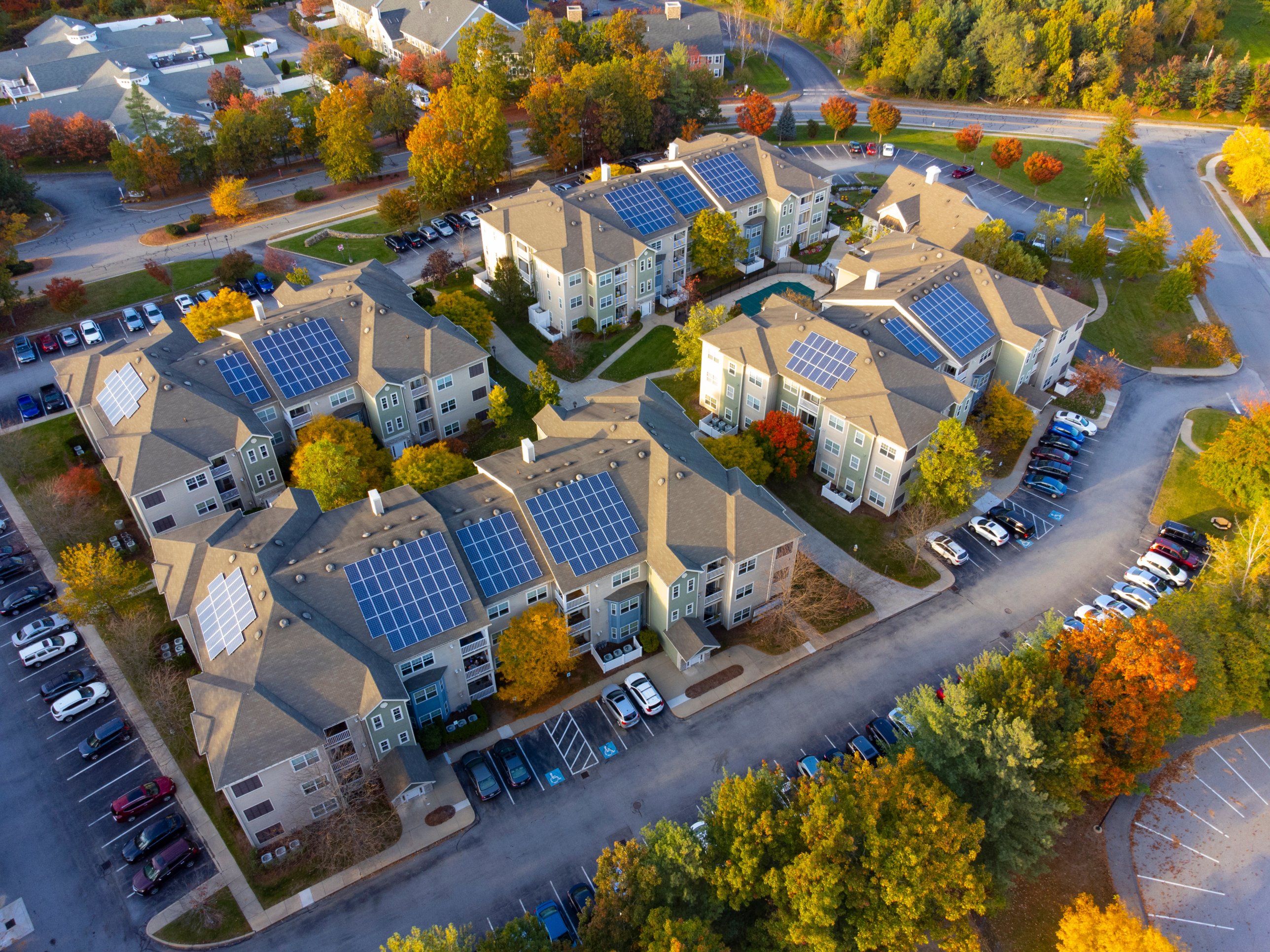
Expanding Local Power Could Cut Household Bill Increases in Half and Prevent Construction of 175 New Power Plants
Expanding local power nationwide could save $614 billion in power system costs through 2050, according to a new report released today by The Brattle Group and The Pew Charitable Trusts. “The National Case for a More Distributed Power Grid: New Evidence on Affordability and Demand Growth” finds that removing policy, regulatory, and market barriers to local power would more than quadruple existing distributed resource capacity in the United States, adding over 400 GW by 2050, cutting household electricity bill increases in half by 2035, and avoiding roughly 70 gigawatts of new natural gas generation.
“For years, utilities have ignored consumer-owned power while defaulting to expensive, multibillion-dollar power plants and transmission lines that send household bills soaring,” said Mary Rafferty, executive director of Common Charge. “The Brattle Group’s new study proves that local power is uniquely equipped to deliver rapid bill relief. By breaking down regulatory barriers and integrating distributed resources — like community batteries, smart thermostats, and rooftop solar — as core grid assets, state leaders have an immediate pathway to cut household rate spikes in half, strengthen grid reliability, and build a cleaner energy system.”
Key findings from the Brattle Group study include:
- Local power could cut roughly 53% of the projected real increase in average residential electricity bills by 2035, saving households an estimated $122 per year by 2050.
- Expanded distributed energy deployment would avoid approximately 70 GW of new gas capacity and move 105 GW of storage directly to the distribution network.
- Local power can cut resource costs by $614 billion through 2050, driven by $334 billion in avoided generation investments and operations, $182 billion in deferred distribution upgrades, and $97 billion in reduced costs to deploy distributed solar.
- Utilizing distributed resources lowers the financial risk of overbuilding the grid for uncertain data center growth by $33 billion, roughly 40%, between 2030 and 2040.
- Adopting just three straightforward policies — integrating DERs into distribution planning ($177B), streamlining local permitting ($50B), and reforming interconnection ($39B) — unlocks 43 percent of the total identified national benefits.
Unlocking these benefits requires proactive state leadership. Common Charge’s Local Power Blueprint, released last week, provides a comprehensive set of proven policies that state leaders can use to unlock local power. Common Charge is calling on governors, state legislators, and utility regulators to modernize planning processes and reform permitting and interconnection rules to enable local power to deliver real cost-saving benefits.