As Voters Demand Action on Affordability, Governors Can Lower Energy Bills by Expanding Local Community Power
New Local Power Blueprint Outlines Actions State Leaders Can Take to Deploy Distributed Energy and Protect Consumers From Rising Utility Costs
Voters demanding action on energy affordability made their voices heard on Tuesday. Decades of over-relying on costly, centralized utility infrastructure have sky-rocketed household energy bills: Between 2020 and 2024, Americans saw their average electric bills increase by more than 20 percent. Common Charge is urging new and sitting governors to draw from the Local Power Blueprint, released last week, to use local power to deliver rapid bill relief and strengthen grid reliability.
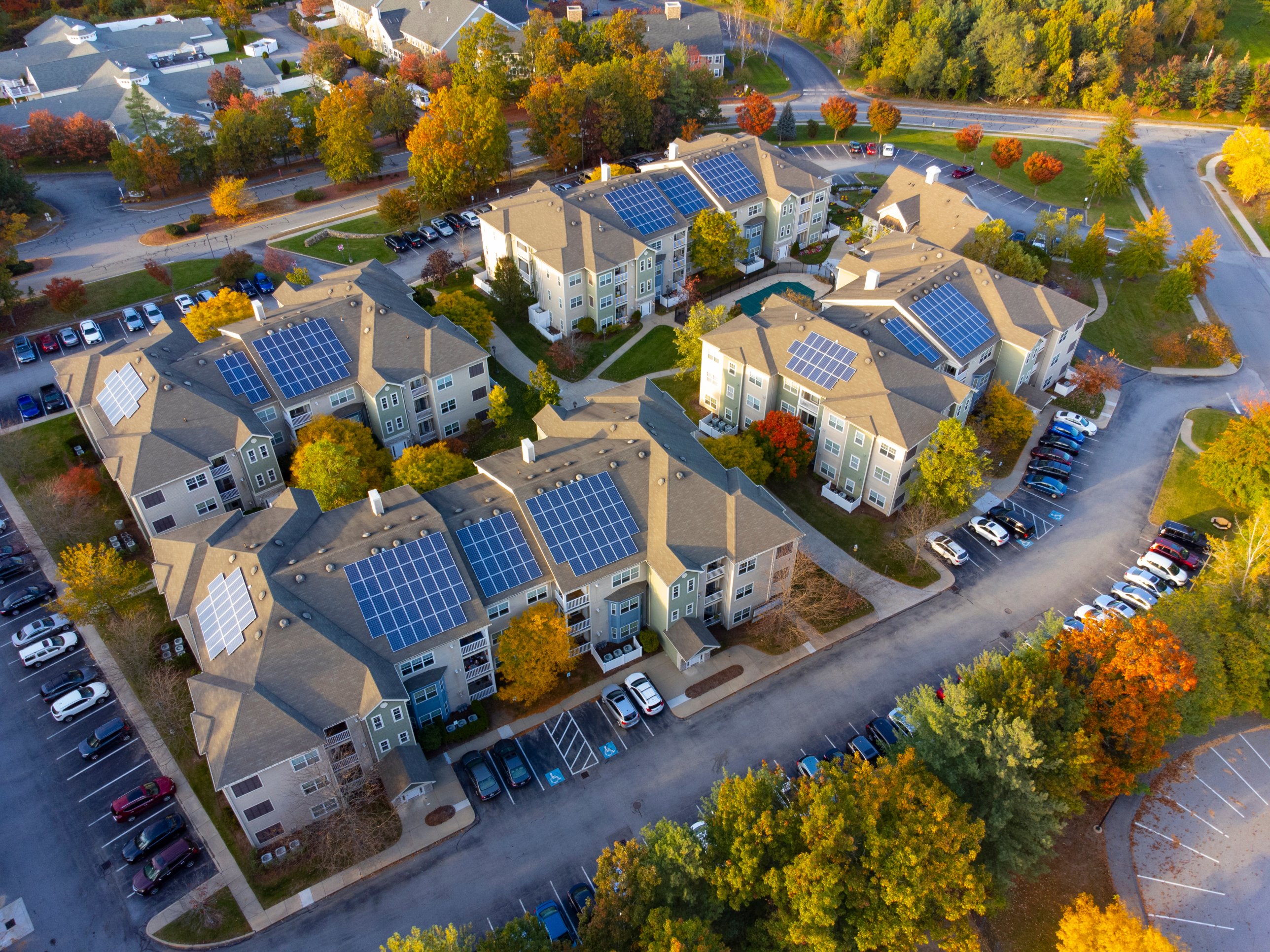
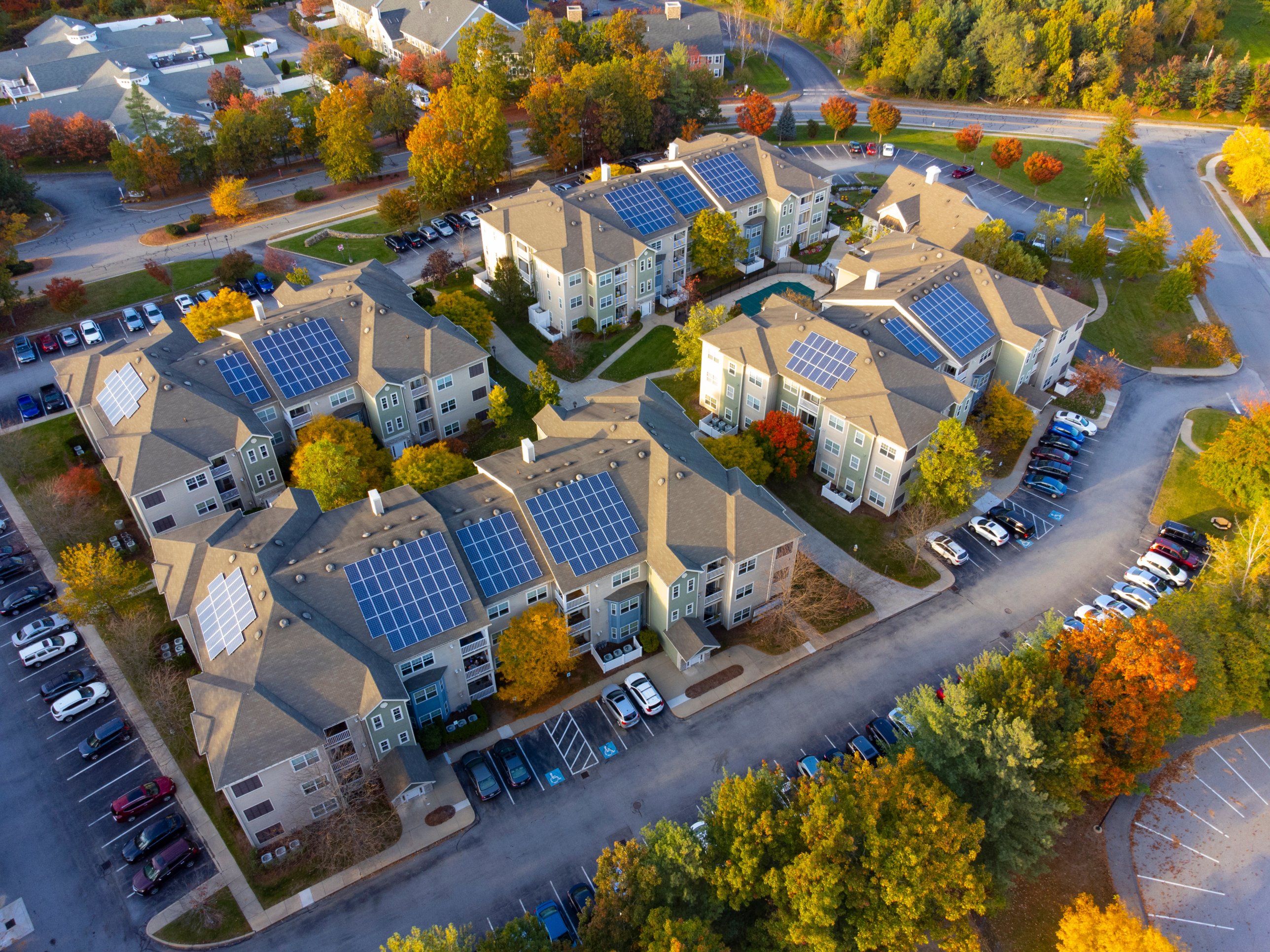
“High energy bills are squeezing Americans’ budgets — Common Charge has a blueprint for state leaders of proven policies that can ease costs for energy customers,” said Mary Rafferty, executive director of Common Charge. “The fastest, most cost-effective way to lower bills is to unlock the energy resources already embedded in our communities, from rooftop solar and home batteries to smart thermostats and electric vehicles. Governors don’t have to wait on federal action or slow-moving utility timelines. By enacting the recommendations in our blueprint, governors have the executive tools right now to expand local power and deliver real savings to their constituents.”
To translate voter demand for affordable energy into concrete policy, governors should take the following steps, using the recommendations set out in the Common Charge blueprint:
- Create a Chief Energy Officer position in the governor's office to coordinate distributed energy resources (DERs) policy activities and programs across agencies that promote affordability and reliability.
- Direct all state agencies to treat DERs as equal-footing, core grid resources in planning, procurement, and permitting decisions so that local power is weighed alongside traditional generation and infrastructure from the start, rather than treated as secondary options to conventional utility investments.
- Convene a broad range of stakeholders — including communities that can benefit from, and companies that build and manage, distributed power assets — within 60 days to determine the best course of action to advance reliability and affordability using local clean power. Request that recommendations be issued within six months.
- To the extent permitted by law, direct agencies to streamline approvals that could accelerate the deployment of local power, including enabling automated permitting and reducing unnecessary delays for interconnection of DERs.
- To the extent permitted by law, direct, request, or encourage the public utilities commission to open proceedings on virtual power plant program design, utility incentive realignment, and large load tariffs to advance affordability and reliability using DERs.
- Direct the Chief Energy Officer to develop a financing strategy, using and capitalizing the state’s green bank to close financing gaps for distributed energy resources, and ensure broad access to DERs.
- Direct agencies to lead by example, enrolling public buildings, fleets, and facilities in flexibility and virtual power plant programs or tariffs, and publishing the cost and performance results.
Local power puts money back into the pockets of all consumers by lowering system costs, and often provides additional savings to participating businesses and households. The Brattle Group found that 60 gigawatts of virtual power plants could meet future grid needs at a cost $15 to $35 billion lower than the alternatives, including new gas plants, over ten years, while also providing more than $20 billion in additional societal benefits. Similarly, fully embracing energy efficiency could save $4.8 trillion by 2050, or about $31,000 per U.S. household. These savings are shared with all customers while also providing additional revenue for program participants.
For additional cost-saving recommendations for state leaders, read Common Charge’s Local Power Blueprint.